
Municipalities are increasingly choosing fabric hoop buildings for salt storage because these structures offer superior rust resistance, faster construction times, and excellent ventilation. Unlike traditional metal or wood facilities, hoop storage buildings protect salt from moisture while ensuring compliance with environmental runoff regulations, saving taxpayers money over time.
Every winter, municipalities face the critical task of keeping roads safe and clear of snow. Achieving this requires massive amounts of road salt. Storing that salt properly is a major challenge for local governments across the country. Traditional metal and wood structures often fail to withstand the harsh, corrosive nature of road salt.
Because of these challenges, a growing number of public works departments are shifting their approach. They are moving away from conventional storage methods and investing in fabric hoop buildings. These versatile structures provide a modern, durable solution to an age-old public works problem.
As a trusted expert with over 30 years of experience, Freedom Buildings leads the way in designing and erecting these structures. Municipalities are discovering that fabric hoop buildings offer superior advantages for salt storage compared to traditional buildings. They provide better environmental protection, lower costs, and incredible longevity.
What challenges do municipalities face with salt storage?
Storing tons of road salt is not as simple as dumping it in a pile. Local governments must navigate strict environmental regulations regarding runoff. If salt leaches into the surrounding soil or groundwater, it can cause severe ecological damage. Public works departments face hefty fines if their storage facilities fail to contain the salt properly.
Corrosion is another massive hurdle. Salt is inherently corrosive to traditional building materials. Metal beams rust away, and wooden frames can rot when exposed to constant moisture and salinity. Maintaining these older facilities drains public budgets and forces cities to rebuild storage sheds far more often than they should.
What are the key advantages of hoop buildings for salt storage?
How do costs and construction times compare?
Traditional buildings take months to build and require massive capital investments. Hoop barn construction is much faster and more cost-effective. The installation process requires less foundational concrete and fewer heavy machinery days. This speed allows cities to prepare for winter weather without facing long construction delays or budget overruns.
Why are fabric materials superior for durability?
The fabric covers used in these structures are weatherproof and highly rust-resistant. Since the main cover contains no metal, the corrosive salt cannot destroy it. Freedom Buildings has completed over 3,000 fabric building installations. Many of these durable structures last for decades with proper care.
How do hoop buildings protect the environment?
Keeping salt dry is the best way to prevent dangerous runoff. Fabric hoop buildings create a completely dry environment that blocks rain and snow from reaching the stockpile. This containment offers several distinct benefits:
- Prevents salt from leaching into the local water table.
- Eliminates the clumping and crusting of salt piles.
- Helps municipalities easily comply with strict environmental regulations.
Are hoop buildings versatile for other city needs?
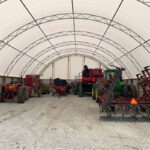
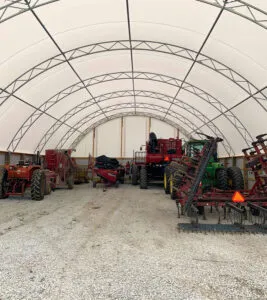
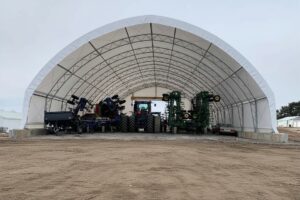
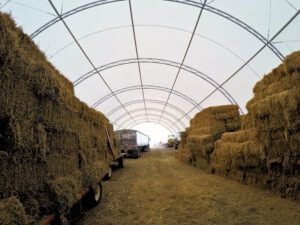
These structures are not just for salt. When winter ends, cities can repurpose the space. A facility can easily transform to house heavy machinery or serve alongside other industrial storage buildings. You will also see these versatile designs used as agricultural storage structures in farming communities across the country.
Why do ventilation and natural light matter?
Traditional wooden sheds are dark and trap moisture inside. Fabric covers allow natural light to flood the interior space during the day. This eliminates dangerous shadows for loaders and trucks operating inside. Additionally, the open, clear span design promotes excellent ventilation to keep the salt dry and usable.
Why partner with Freedom Buildings for municipal storage?
What is the experience level of Freedom Buildings?
You need a contractor who understands your specific challenges. Freedom Buildings brings three decades of hands-on experience to the table. We have provided premium hoop storage buildings for communities of all sizes. Our team knows exactly what public works departments need to operate efficiently.
Does Freedom Buildings offer repair and maintenance?
A building is a long-term investment. We provide dedicated repair and replacement teams to ensure your facility remains in top condition. Proper maintenance increases the longevity of your investment. Our specialists are always ready to guide your staff on best practices for routine upkeep.
Can hoop storage buildings be customized?
No two municipalities have the same storage requirements. Our design experts collaborate directly with city planners and engineers to create the perfect layout. Whether you need an incredibly tall ceiling for dump trucks or a wider footprint for loaders, we customize the dimensions to fit your daily operations perfectly.
How do municipalities benefit in the real world?
Consider a hypothetical midwestern city struggling with an aging wooden salt shed. The roof constantly leaks, causing the salt pile to clump and ruin the surrounding soil. The city faces pressure from environmental agencies and mounting repair bills. The budget simply does not allow for a million-dollar brick-and-mortar replacement facility.
By switching to fabric hoop buildings, the city immediately solves its water intrusion problem. The bright interior speeds up loading times for snowplow drivers during late-night winter storms. The natural light reduces the need for expensive electrical lighting, saving taxpayer dollars on utility bills. Furthermore, the completely rust-resistant fabric canopy eliminates the need for constant roof patching. This hypothetical scenario plays out in real towns every single year, proving that fabric architecture is the smartest choice for local governments.
Is a hoop building right for your municipality?
Replacing failing infrastructure is never an easy decision. However, the evidence clearly favors modern fabric structures for handling corrosive materials. They provide an unmatched combination of speed, durability, and cost efficiency. Public works departments can secure their winter supplies while protecting the local environment and saving taxpayer funds.
Freedom Buildings remains the premier expert for delivering these high-quality, customized facilities. Are you ready to upgrade your city infrastructure with a reliable storage solution?
Visit Freedom Buildings to request a quote and see how our experts can assist your municipality today.